


Step Back Into the Rad Era at Petersen’s ’80s and ’90s Car Exhibit
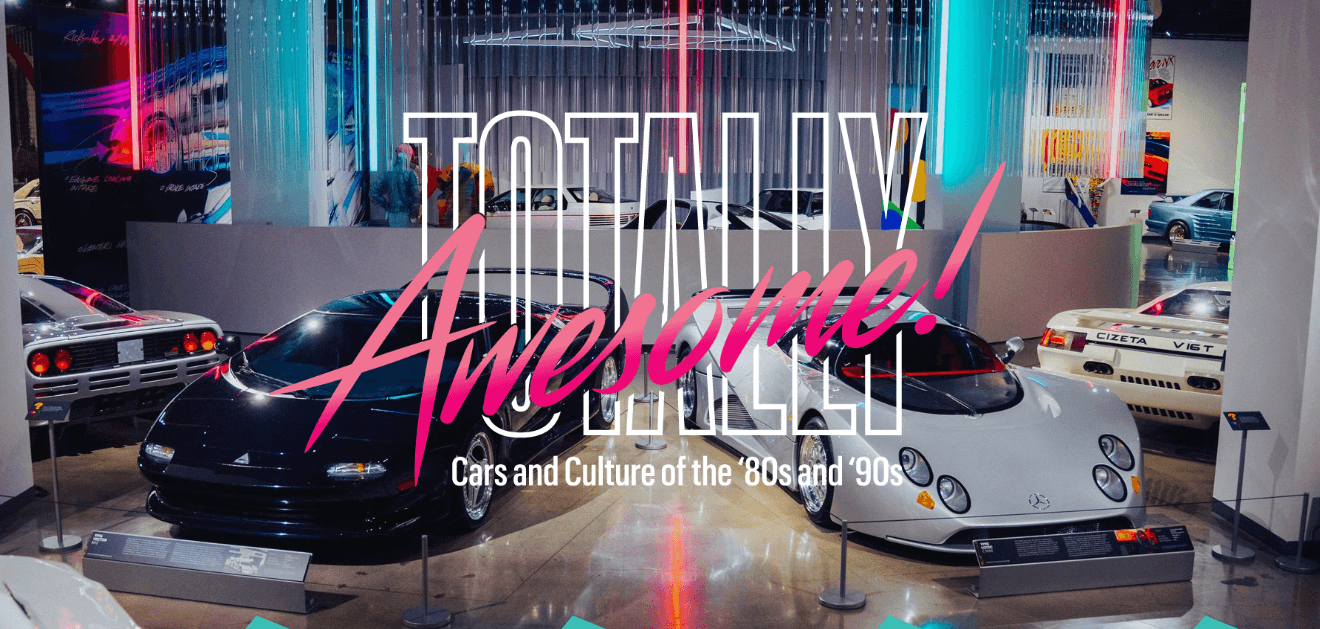
Remember when cars had pop-up headlights, neon underglow was the ultimate mod, and your ride said everything about who you were? The Petersen Automotive Museum’s latest exhibition, “Totally Awesome Cars and Culture of the ’80s and ’90s,” brings back all those memories and more. This isn’t just another car show—it’s a full immersion into two decades that fundamentally changed how we think about automobiles, technology, and personal expression.
The exhibition runs through the end of 2024, offering visitors a chance to experience the cars that defined MTV’s golden age, the rise of video game culture, and the birth of the digital revolution. From DeLoreans to Lamborghinis, from concept cars that looked like spaceships to the production models that actually made it to suburban driveways, this show captures the essence of an era when automotive design got wonderfully weird and undeniably cool.
When Cars Became Pop Culture Icons
The 1980s and ’90s marked a turning point where automobiles transcended their role as mere transportation. They became symbols of aspiration, rebellion, and technological prowess. The Petersen exhibition brilliantly captures this transformation by showcasing vehicles alongside the cultural elements that influenced their design and marketing.
During this period, an expanding media landscape fundamentally altered how cars were perceived and sold. MTV didn’t just change music—it changed everything, including how automakers marketed their vehicles. Suddenly, cars needed to look good on camera, fit into music videos, and appeal to a generation raised on visual storytelling. The exhibition features several vehicles that became stars in their own right, appearing in movies, TV shows, and music videos that defined the era.
Video games also played a crucial role in shaping automotive culture. As digital technology advanced, car designs began incorporating futuristic elements inspired by arcade racing games and science fiction. Electronic dashboards, digital displays, and angular styling borrowed heavily from the pixelated aesthetic of early video games. The exhibition includes several concept cars that look like they drove straight out of a Tron sequel.
The Technology Revolution on Four Wheels
Beyond the cultural impact, the ’80s and ’90s represented a golden age of automotive innovation. Computer-aided design became standard practice, allowing engineers and designers to create more complex and aerodynamic shapes than ever before. The exhibition showcases how this technological shift influenced everything from supercars to economy vehicles.
Safety improvements during this era were revolutionary. Anti-lock braking systems, airbags, and crumple zones became standard features, while manufacturers experimented with new materials and construction techniques. The cars on display demonstrate how safety innovation didn’t have to compromise style—many of the most beautiful vehicles of the era were also among the safest.
Performance gains were equally impressive. Turbocharging became widespread, electronic fuel injection replaced carburetors, and computer-controlled systems optimized everything from ignition timing to suspension settings. The exhibition features several high-performance vehicles that showcase these technological leaps, from Japanese sports cars that challenged European exotics to American muscle cars that embraced electronic enhancement.
Racing Innovation Drives Road Car Development
The exhibition dedicates significant space to motorsports, highlighting how racing developments directly influenced production vehicles. New regulations in Formula 1, IndyCar, and sports car racing fostered engineering breakthroughs that quickly found their way into consumer automobiles.
Ground effects aerodynamics, carbon fiber construction, and advanced suspension systems all evolved from racing applications during this period. The exhibition features several race cars alongside their road-going counterparts, demonstrating the technology transfer that made everyday vehicles faster, safer, and more efficient.
Group B rally cars, IMSA prototypes, and Formula 1 machines from this era pushed the boundaries of what was possible with automotive technology. Many of the innovations developed for these racing series became standard features on production cars within a few years, creating a direct line from the racetrack to the showroom floor.
Design Philosophy: Retro Meets Future
One of the most fascinating aspects of ’80s and ’90s automotive design was the tension between retro inspiration and futuristic vision. Some manufacturers looked backward for inspiration, creating modern interpretations of classic designs. Others embraced a forward-looking aesthetic that imagined what cars might look like in the 21st century.
The exhibition showcases both approaches through carefully curated vehicle selections. Retro-inspired designs included modern takes on classic roadsters and muscle cars, while futuristic concepts featured sharp angles, pop-up headlights, and radical proportions that seemed to defy conventional automotive wisdom.
Many of the most successful designs from this era managed to balance both influences, creating vehicles that honored automotive history while pointing toward the future. These cars remain highly desirable today, proving that the best designs transcend their original time period.
The Complete Cultural Experience
What sets this exhibition apart is its comprehensive approach to the era. Rather than simply displaying beautiful cars, the Petersen has created an immersive environment that includes period-appropriate fashion, music, and media. Visitors can experience the complete cultural context that shaped these vehicles.
The exhibition includes interactive elements that let visitors experience the technology of the era, from primitive car phones to the earliest GPS navigation systems. There are also displays featuring the movies, TV shows, and music videos that helped define automotive culture during this transformative period.
Fashion displays show how clothing styles influenced car interiors, while music stations let visitors hear the soundtracks that provided the backdrop for this automotive revolution. The exhibition creates a complete sensory experience that transports visitors back to an era when everything seemed possible.
Why This Exhibition Matters Now
The “Totally Awesome Cars and Culture of the ’80s and ’90s” exhibition arrives at a perfect time. As the automotive industry undergoes another massive transformation with electric vehicles and autonomous driving technology, looking back at previous periods of rapid change provides valuable perspective.
The cars of the ’80s and ’90s remind us that technological advancement and cultural expression don’t have to be mutually exclusive. These vehicles proved that innovation could be both functional and emotional, practical and aspirational. They showed that cars could be tools for personal expression while also pushing the boundaries of what’s technically possible.
For younger visitors, the exhibition offers a glimpse into an era when cars were purely mechanical expressions of human creativity. For older visitors, it provides a nostalgic journey back to a time when automotive design was bold, experimental, and unafraid to take risks.
Planning Your Visit to This Totally Awesome Experience
The Petersen Museum has outdone itself with this exhibition, creating an experience that’s both educational and entertaining. Whether you’re a serious car enthusiast or just someone who remembers when cars were more than appliances, this show offers something special.
The exhibition runs through the end of 2024, giving visitors plenty of time to experience this celebration of automotive culture. Special events, including panel discussions with designers and engineers from the era, provide additional context and behind-the-scenes stories about the vehicles on display.
Don’t miss this opportunity to step back into an era when cars were totally awesome, and automotive culture was all that and a bag of chips. The Petersen’s latest exhibition proves that sometimes, looking backward is the best way to appreciate how far we’ve come.
0 comment(s) so far on Step Back Into the Rad Era at Petersen’s ’80s and ’90s Car Exhibit